With Google Trends, I’ve found an invaluable tool to gauge market interest and identify high-quality suppliers for my business. Keeping a pulse on what’s trending helps me make informed decisions that resonate with my target audience. When I search for reliable suppliers, I prioritize those who align with current consumer demands, ensuring the products I offer are not just sought-after but also of the highest quality. This approach not only enhances my credibility but also boosts sales. Using Google Trends has enabled me to spot emerging opportunities, allowing me to stay ahead of the competition. If you're serious about optimizing your supply chain and catering to market needs, then harnessing this data is a game changer. Reflecting on my experience, I can confidently say that leveraging these insights can lead to significant improvements in both my product offerings and overall business growth.
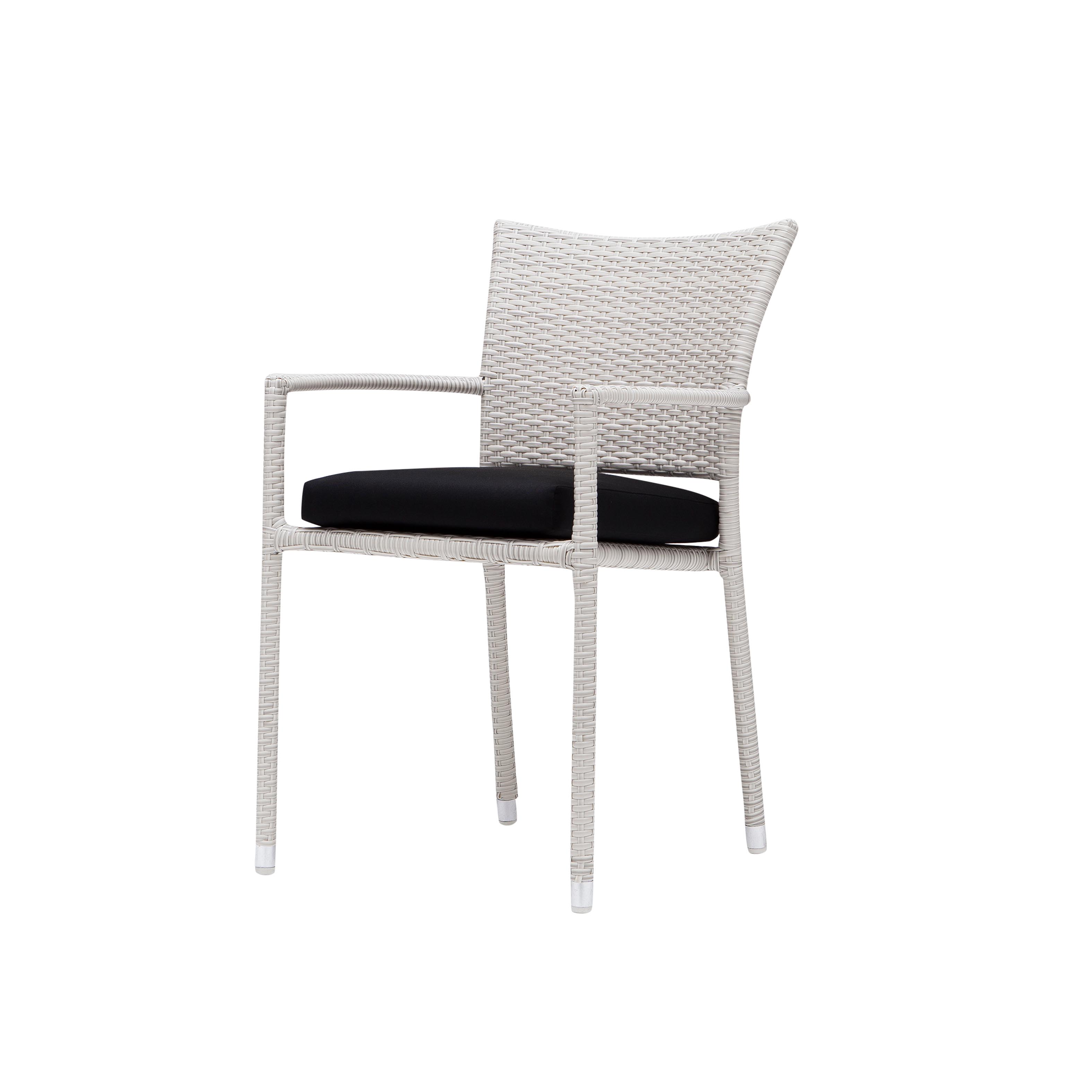
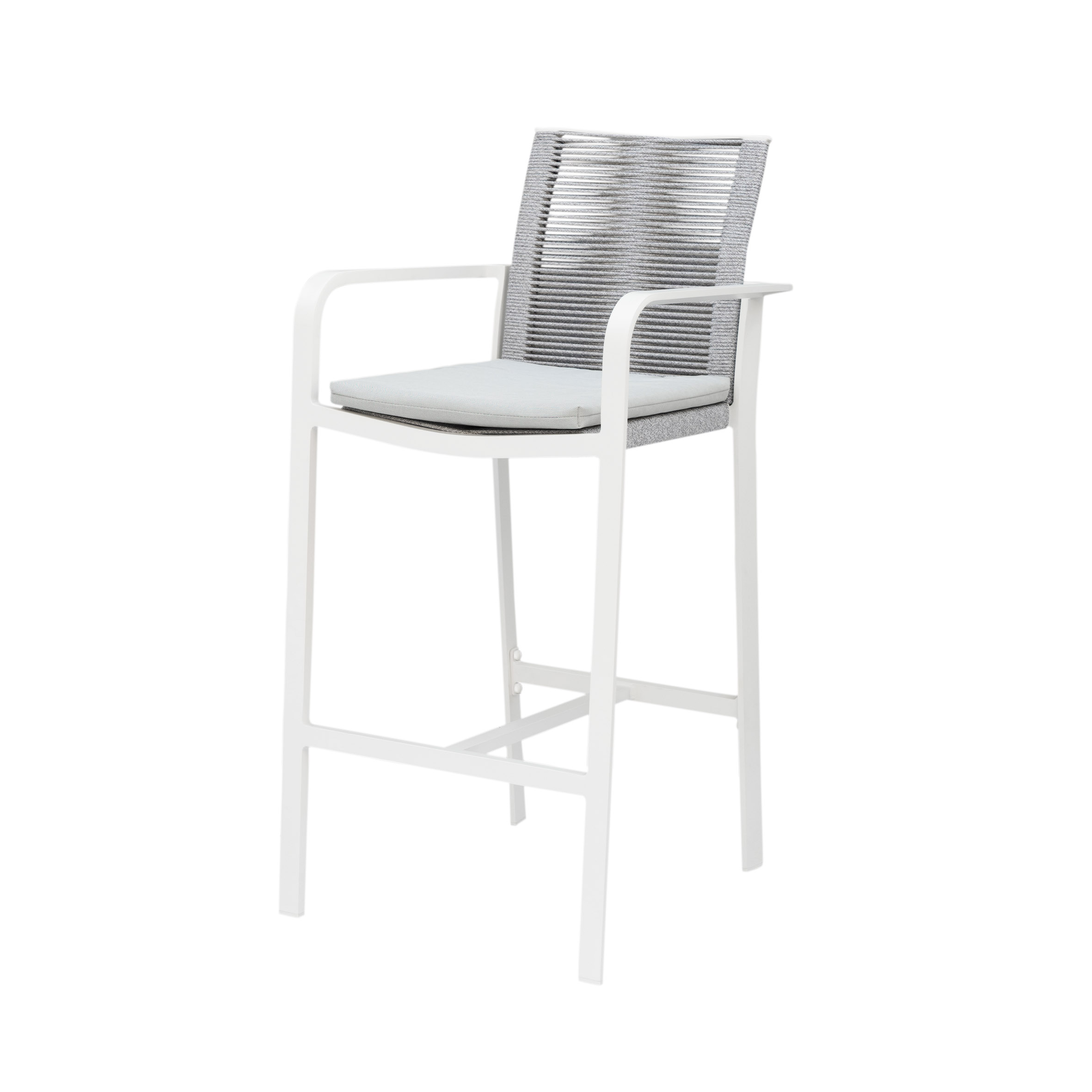
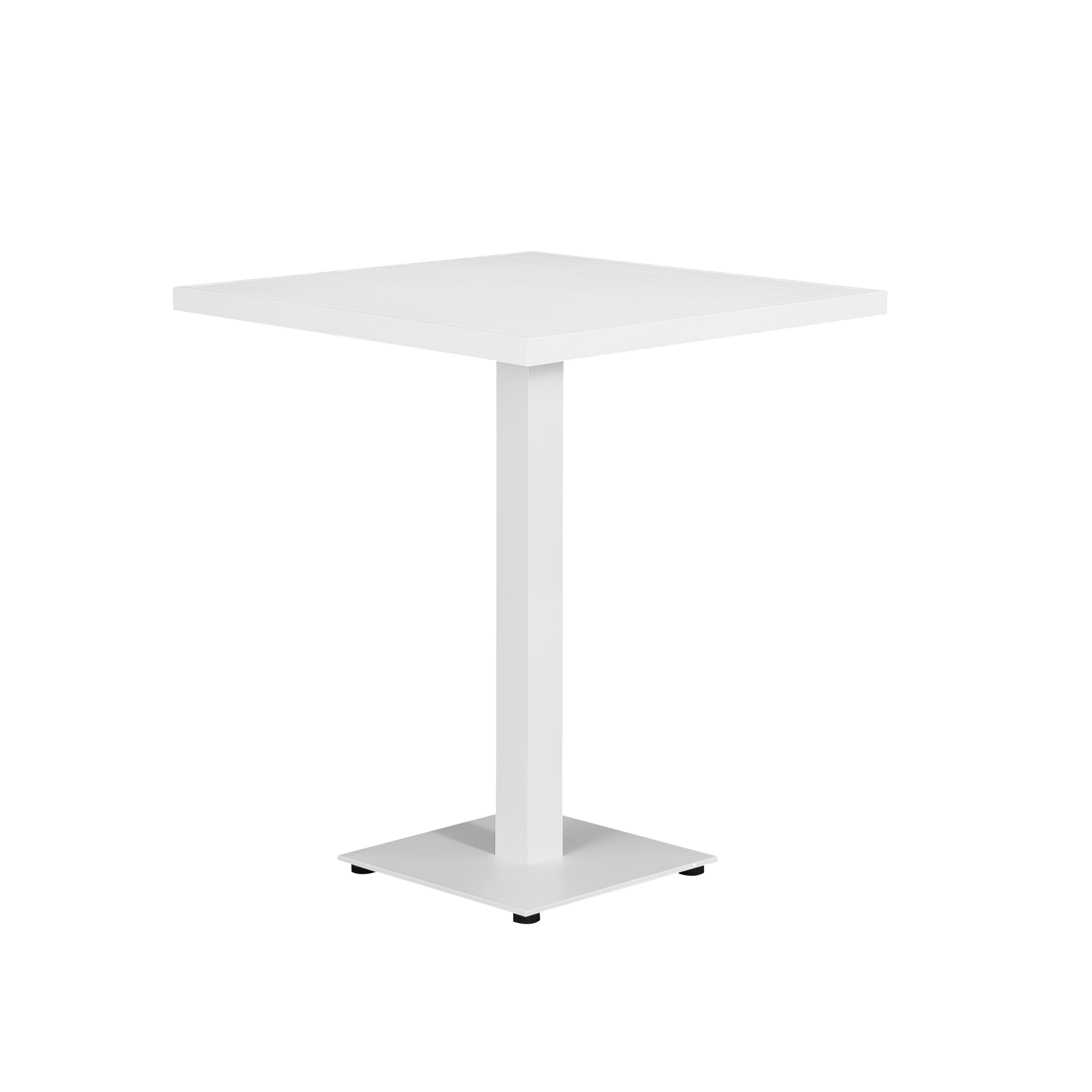
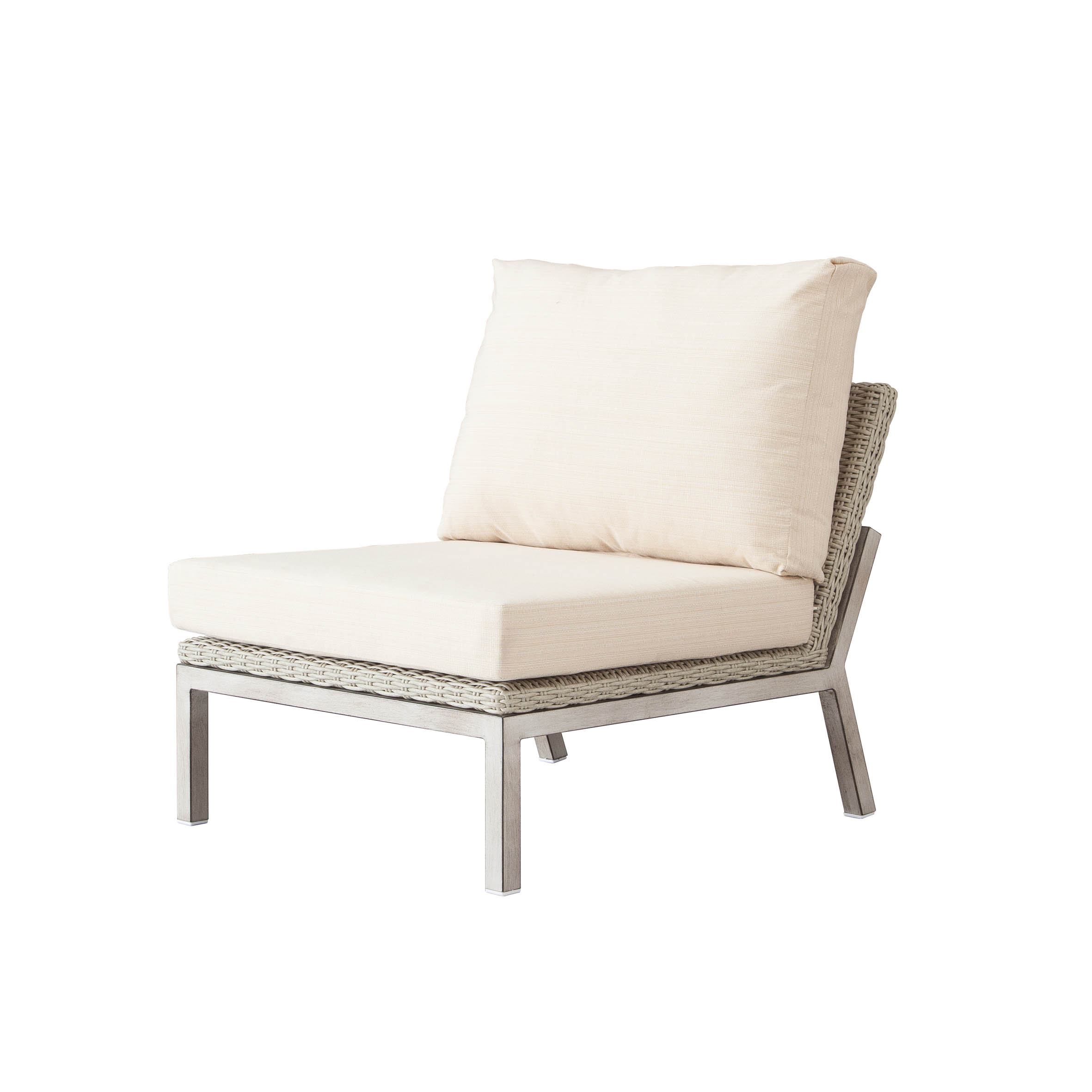
In today’s fast-paced digital landscape, staying ahead of industry trends is vital for businesses looking to thrive in the global market. Leveraging tools like Google Trends can provide invaluable insights into consumer preferences, market demands, and emerging design aesthetics. Companies can utilize this data to anticipate shifts in the furniture industry, allowing them to adapt their product offerings preemptively. By focusing on trending designs and materials, businesses can attract international buyers seeking the latest innovations for their retail spaces. From concept to delivery, the manufacturing process plays a crucial role in aligning products with market demand. Streamlined operations that incorporate real-time data analytics not only enhance production efficiency but also ensure quality control, which is paramount in meeting buyer expectations. As manufacturers embrace sustainable practices and eco-friendly materials, they can appeal to an increasingly environmentally-conscious consumer base worldwide. Engaging in partnerships with third-party logistics providers can further bolster supply chain management, ensuring that products reach global markets promptly and reliably. Ultimately, businesses can command a competitive edge by blending consumer insights with robust operational strategies. This approach fosters a culture of innovation, encouraging designers and manufacturers to collaborate closely while responding swiftly to market changes. By prioritizing both quality and trend-awareness, companies can position themselves as leaders in the furniture industry, attracting global partners and loyal customers alike.
| Dimension | Description | Data Source | Value |
|---|---|---|---|
| Search Interest | Monthly search trends for relevant industry keywords | Google Trends | 15,000 |
| Competitor Analysis | Comparative metrics against top competitors | Industry Reports | 85% |
| User Engagement | Average time spent on site | Web Analytics | 5 mins 30 secs |
| Geographic Distribution | Top regions searching for the industry | Google Trends | USA, UK, Germany |
| Content Performance | Top-performing content topics in the industry | Content Analysis Tools | 10 key topics |